


Treating Lipedema – When Does Liposuction Make Sense?

Autor
Dr. Anna Lukyanova
Erstellungsdatum
12
.
05
.
2026



Many women come to my practice and describe very similar changes: their legs feel heavier, the tissue appears softer, sometimes even painful. I often hear sentences like: “I feel like my body is changing, but I don’t know why.”
Often, the underlying concern is suspected lipedema. For many women, this is initially a sensitive topic. Because it is not only about visible physical changes, but also about body awareness, confidence, and the question of what is actually considered “normal.”
In my daily work, I support women exactly in this situation — and I see how important it is to create clarity and identify individually suitable treatment options.
Briefly Explained: When Is Liposuction for Lipedema Recommended?
Liposuction may be recommended when conservative treatments no longer sufficiently relieve symptoms, pain persists, or quality of life is noticeably affected. At present, it is the only method capable of specifically removing diseased fat tissue.
What Is Lipedema and How Can You Recognize It?
Lipedema is a chronic fat distribution disorder that almost exclusively affects women. In rare cases, men can also be affected.
Typical signs include a disproportionate accumulation of fat tissue — usually on the legs, hips, or arms — while the hands and feet remain unaffected.
In practice, patients frequently report:
- Pain when pressure or touch is applied
- Increased tendency to bruise
- Feelings of tightness or heaviness
- Symmetrical changes on both sides of the body
- The experience that neither dieting nor exercise leads to improvement
At this point, it is always important for me to emphasize: Lipedema is not simply a question of discipline or lifestyle. It is an independent medical condition that should be specifically assessed and treated.
What Treatment Options Exist for Lipedema?
One of the most common questions during consultations is: “What can I actually do?”
In principle, there are two treatment approaches that I discuss during consultations.
Conservative Treatment
Many patients initially start with non-surgical measures. These include:
- Exercise and targeted training
- Lifestyle adjustments in everyday life
- Manual lymphatic drainage
- Compression therapy (e.g. compression stockings)
These measures can noticeably relieve symptoms and help stabilize the condition. However, I also openly address the following: The underlying fat distribution usually cannot be permanently changed through these methods alone.
Liposuction for Lipedema
If symptoms persist or worsen, liposuction becomes an option for many women. From a medical perspective, it is currently the only method that can specifically remove diseased fat tissue. In my practice, the focus is not only on changing body contours, but above all on:
- Reducing pain
- Relieving pressure within the tissue
- Improving mobility in everyday life
- Achieving long-term stabilization
Many of my patients report after liposuction that they feel lighter again — physically as well as mentally.
Brief summary: Liposuction specifically removes diseased fat tissue and can significantly reduce pain and physical limitations.
When Is Lipedema Surgery Recommended?
I never make this decision in a generalized way — it is always made together with the patient. Typical situations in which we discuss surgery include:
- Persistent pain despite conservative therapy
- Increasing limitations in daily life
- Progression of symptoms
- Significant emotional burden
- The feeling that previous treatments are no longer sufficient
It is important to me that this decision is made consciously. There is no universally “right” time — only the moment when it feels right for you.
How Does Liposuction for Lipedema Work?
The procedure is planned individually — depending on which areas are affected and how advanced the lipedema is. Typically, treatment includes:
- A detailed consultation and treatment plan
- Gentle removal of fat tissue
- Usually several treatment sessions
- A healing phase combined with compression therapy
I place great importance on treating the tissue evenly in order to achieve a natural and harmonious result.
Brief Summary: Treatment is performed gradually and strategically, with the goal of achieving an even and natural-looking result.
What Happens to the Skin After Liposuction?
One question I hear very frequently is: “Will the skin tighten again afterward?”
The answer is: It strongly depends on the individual starting situation.
The following factors are particularly important:
- Skin elasticity
- The amount of tissue removed
- The quality of the connective tissue
In many patients, the skin adapts well. Especially when tissue quality is good, the skin can visibly retract after treatment. However, if the tissue has already lost elasticity, the skin may appear less firm after the volume reduction. That is why I always evaluate the result holistically — not only the fat removal itself, but also the condition of the skin.
How Can the Skin Be Specifically Supported After Liposuction?
After surgery, an important phase of treatment begins: tissue adaptation. The body responds to the changes — and this process can be specifically supported. In my practice, I additionally work with treatments that may improve skin quality from within.
The goal is to:
- Stimulate collagen production
- Densify the skin structure
- Improve tissue firmness
One option is the targeted treatment of deeper skin layers, for example using Inmode Quantum (bipolar radiofrequency) or Morpheus8 (bipolar radiofrequency with microneedling).
Additional Option for Firmer Results
After liposuction, the skin can be specifically supported. In my practice, I use technologies such as Inmode Quantum (bipolar radiofrequency) and Morpheus8 (bipolar radiofrequency with microneedling) to strengthen the skin structure from within and visibly improve firmness.
When Is Skin Tightening After Lipedema Surgery Recommended?
Not every patient requires additional treatment — this is always discussed individually. Skin support may be beneficial when:
- The skin has already lost elasticity before surgery
- Larger volume reductions are performed
- A particularly even result is desired
In such cases, complementary treatments — for example with radiofrequency — can help further refine the result. I often see that the combination of liposuction and targeted skin support leads to a more harmonious overall outcome.
Treating Lipedema – Which Approach Is Right for Me?
This question cannot be answered in a generalized way. During the consultation, the goal is always to determine together:
- How advanced is the lipedema?
- What symptoms currently exist?
- What are your expectations regarding treatment?
Sometimes a conservative approach is sufficient. In other cases, surgery is the more suitable step.
And often, it is a combination of several measures.
When Is the Right Time for a Consultation?
Many women hesitate for a long time before addressing the topic more deeply. From my perspective, the right time is when you notice that something is changing — or when you no longer feel comfortable with your current situation. A consultation does not mean that you must decide on treatment. It simply means gaining clarity first.
Frequently Asked Questions About Lipedema Treatment
Is Lipedema Surgery Permanent?
The removed fat cells do not regenerate. However, tissue can still change over time, which is why long-term support and follow-up care may be beneficial.
Is Liposuction for Lipedema Painful?
The procedure is performed under anesthesia. After surgery, temporary pain or feelings of tightness may occur, but these usually improve over time.
Does Health Insurance Cover Lipedema Surgery?
In certain cases, cost coverage may be possible, depending on the stage of the condition and the individual requirements.
What Happens If Lipedema Is Not Treated?
Lipedema may progress over time and symptoms can worsen.
A Personal Word at the End
From many conversations, I know that the topic of lipedema is often associated with uncertainty. Many women feel that they have not been taken seriously for a long time — or that they themselves cannot fully understand what is happening within their body. It is important to me that you know: You are not alone with these questions. And you are allowed to seek support. At your own pace, without pressure — but with the goal of developing a better relationship with your own body again. If you would like clarity regarding your personal situation, feel free to schedule a non-binding consultation.
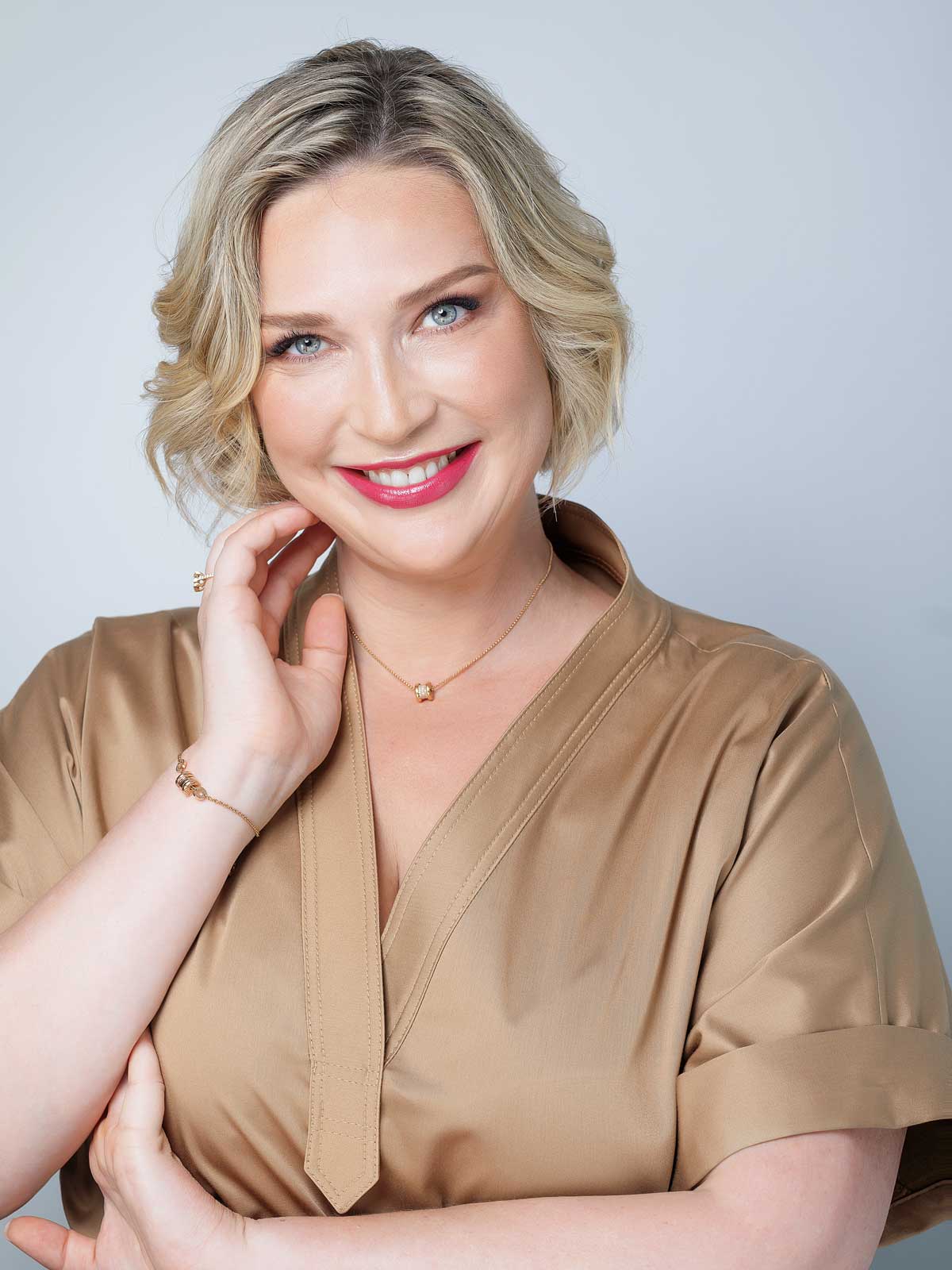
Dr. Anna Lukyanova
Specialist in Plastic and Aesthetic Surgery

‘I had had bad experiences in the past. But with the doctor, I immediately felt at ease. Despite the 500 km journey, it was worth it. She gave me back my self-confidence and self-assurance. Seek professional help, preferably from her. I am looking forward to my next visit!’ – Customer
Natural beauty in experienced hands
Years of expertise and a trained eye for aesthetics make all the difference. With a large number of successfully performed procedures and extensive experience, we provide you with sensitive and professional support. In our friendly atmosphere, we take the time to address your individual wishes – from woman to woman, with trust and sensitivity.
About Dr. Anna Lukyanova
‘I have a deep passion for human aesthetics, which serves both physical harmony and mental well-being. In 2021, I realised my dream of opening my own practice, where I respond to your individual needs with expertise, sensitivity and empathy. Trust-based communication and holistic care are of utmost importance to me.’
Make an appointment now




Do you have any questions or would you like to make an appointment?
Do you have any questions or would you like to make an appointment?